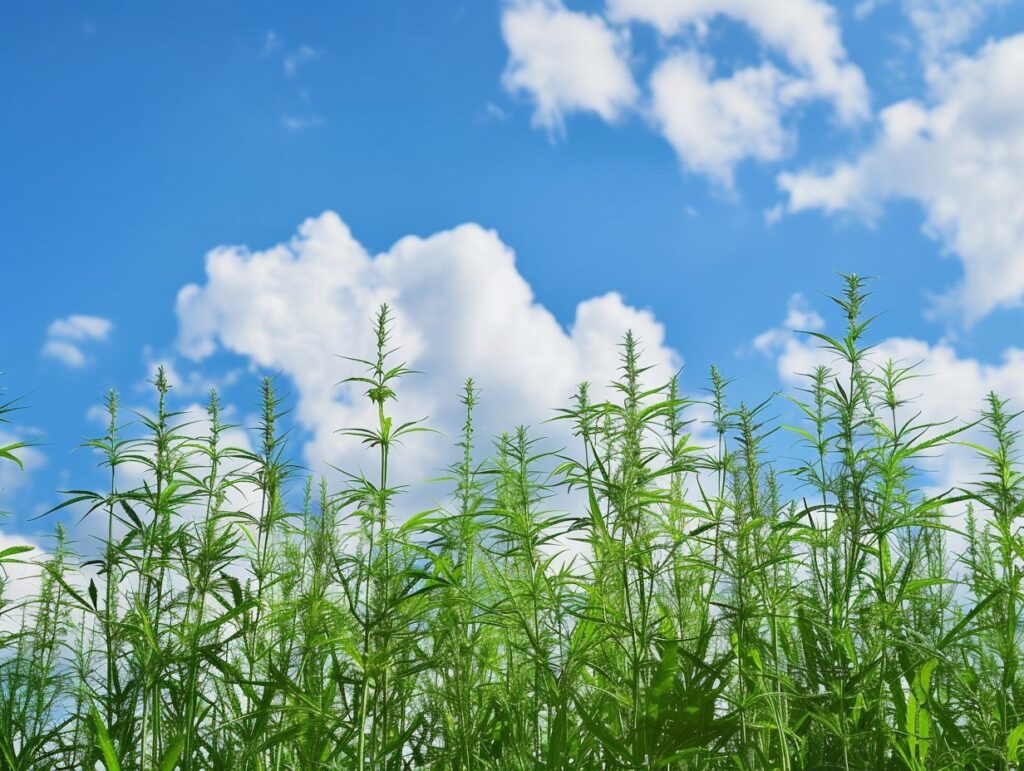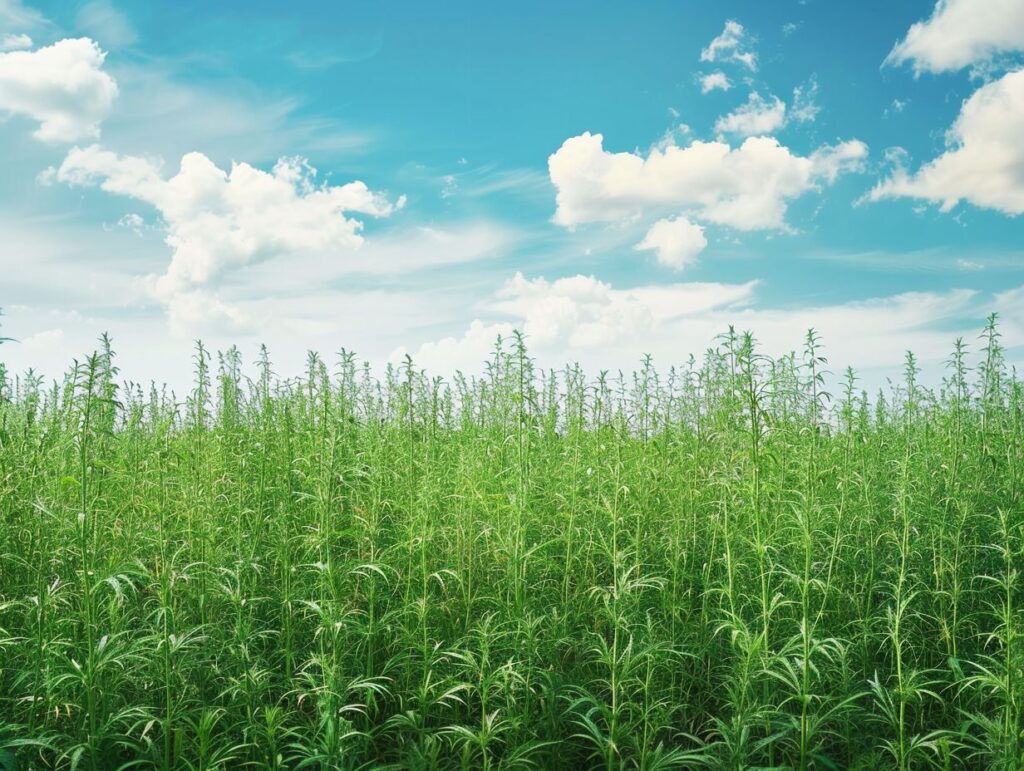
Hemp, a versatile plant with a myriad of applications, has gained popularity for its medicinal and therapeutic benefits.
We will explore the different types of hemp – industrial, medicinal, and recreational – and delve into its medicinal and therapeutic uses. From pain relief and anxiety to skin conditions and heart health, hemp offers a natural alternative for various health concerns.
Discover how hemp is used for medicinal and therapeutic purposes, including CBD oil, topical creams, and edibles. We will discuss the safety and potential side effects of using hemp for health benefits.
What is Hemp?
Hemp, also known as industrial hemp, is a versatile plant from the Cannabis sativa species primarily valued for its industrial uses, including textiles, paper, food, biodegradable plastics, and biofuels. It is distinct from marijuana due to its low THC content, making it non-psychoactive.
Its cultivation methods are sustainable, requiring minimal pesticides and herbicides compared to traditional crops. The strong fibers of hemp make it ideal for use in construction materials like hempcrete, which is a blend of hemp fibers and lime. The plant is a rich source of CBD, a compound with various medicinal properties that is used in wellness products. The environmental benefits of hemp cultivation are significant, with its ability to absorb toxins from the soil and its fast growth cycle making it a valuable resource for a range of industries.
What Are the Different Types of Hemp?
Hemp comes in various types, each serving different purposes. Industrial hemp is cultivated for its industrial applications, while medicinal hemp is grown for therapeutic and health-related purposes. Recreational hemp, though less common, may be used for leisure activities.
- Industrial hemp is primarily focused on the production of fibers, seeds, and oils used in a wide range of products such as textiles, paper, biofuels, and more.
- On the other hand, medicinal hemp is carefully cultivated to contain higher levels of CBD (cannabidiol) and other beneficial compounds that can offer relief from various health conditions like pain, anxiety, and inflammation.
- Recreational hemp, also known as ‘certified seed‘ hemp, is grown for its recreational purposes and can be utilized in products like clothing, accessories, and even nutritional supplements.
Industrial Hemp
Industrial hemp, a subtype of Cannabis sativa, is grown primarily for its fiber and seeds used in various industries such as textiles, construction, and biofuel production. It is cultivated through organic farming practices to ensure sustainability and quality.
These organic farming practices involve the minimal use of pesticides and herbicides, making hemp a robust and eco-friendly crop choice. The versatility of industrial hemp extends beyond its traditional uses, with applications ranging from biodegradable plastics to nutritious food products. The plant’s rapid growth rate and ability to thrive in diverse climates make it an attractive option for farmers seeking a sustainable and profitable crop. Industrial hemp plays a crucial role in phytoremediation, helping to detoxify and enrich soil through its deep root system.”
Medicinal Hemp
Medicinal hemp, rich in Cannabidiol (CBD), is recognized for its various health benefits and therapeutic properties, offering natural remedies for conditions like chronic pain, anxiety, and inflammation. Its usage is gaining popularity in holistic care and alternative medicine practices.
CBD-rich hemp has shown promise in managing pain due to its analgesic effects, which may help alleviate discomfort associated with arthritis, migraines, and neuropathic pain.
Studies suggest that CBD can reduce anxiety levels and promote relaxation, making it a viable option for individuals coping with stress or anxiety disorders.
Beyond mental health benefits, CBD is also being explored for its potential in supporting overall wellness through its anti-inflammatory and antioxidant properties.
Recreational Hemp
Recreational hemp, although less common, is associated with wellness trends and leisure activities, offering a holistic approach to relaxation and stress relief. It is often utilized in wellness products and community practices.
The versatile nature of hemp allows it to be incorporated into a variety of recreational pursuits, from yoga sessions to nature retreats. Many individuals choose to infuse hemp into their self-care routines, whether through CBD-infused oils for massages or hemp-based skincare products for a soothing pampering session. The calming properties of hemp make it a popular choice for those seeking moments of serenity in their busy lives, as it can help alleviate tension and promote a sense of well-being. This natural ingredient’s connection to relaxation and stress relief has led to its rise in popularity within the wellness landscape.
What Are the Medicinal Uses of Hemp?
Hemp is increasingly recognized for its medicinal uses in pain management, anxiety relief, and addressing chronic pain conditions. From CBD products to herbal remedies, hemp offers natural solutions for various health issues.
Hemp-derived CBD oil has gained popularity for its anti-inflammatory properties, making it a promising alternative for individuals suffering from conditions such as arthritis or migraines. Its ability to interact with the endocannabinoid system in the body plays a crucial role in regulating pain perception and reducing inflammation. Studies also indicate that hemp can help alleviate symptoms of anxiety and depression, offering a more holistic approach to mental health treatment.
Pain Relief
Hemp, particularly CBD products, has shown promise in providing natural pain relief due to its anti-inflammatory properties and interaction with the endocannabinoid system. Research studies support its effectiveness in managing various types of pain.
CBD, a cannabinoid found in hemp, works by interacting with the body’s endocannabinoid receptors, which play a crucial role in regulating various physiological functions such as pain perception and inflammation. By modulating these receptors, CBD can help alleviate pain by reducing inflammation and promoting relaxation in the body. This mechanism not only targets the symptoms but also addresses the underlying causes of pain, making it a holistic approach to pain management.
Anxiety and Depression

Hemp-based products are increasingly sought after for their potential in addressing anxiety, depression, and stress-related disorders. The natural compounds present in hemp offer relief and promote mental well-being.
Among the various compounds found in hemp, cannabidiol (CBD) has gained significant attention for its calming effects on the mind and body. Studies have shown that CBD interacts with the endocannabinoid system, which plays a crucial role in regulating mood and emotions. By influencing serotonin receptors, CBD may help reduce symptoms of anxiety and depression. Hemp-derived products like CBD oil have shown promise in managing stress levels and improving overall mental health without the unwanted psychoactive effects often associated with cannabis.
Epilepsy and Seizures
Hemp-derived products have shown therapeutic effects in managing epilepsy and seizures, particularly in individuals with neurological disorders. The use of cannabinoids in treating such conditions is a subject of ongoing research.
Research studies have demonstrated the potential of hemp-based treatments to reduce the frequency and severity of seizures in patients with epilepsy, offering hope for those struggling with these complex neurological conditions.
Clinical trials are being conducted to further explore the specific mechanisms through which cannabinoids impact seizure activity and brain function. The anti-inflammatory and neuroprotective properties of hemp have also caught the interest of scientists studying new avenues for managing epilepsy and related disorders.
Insomnia
Hemp-based remedies are increasingly explored for their potential in treating insomnia and sleep disorders by promoting relaxation and improving sleep quality. These natural alternatives offer a holistic approach to managing sleep-related issues.
Many individuals struggling with sleep disturbances are turning to hemp products as a non-pharmacological solution. Hemp’s properties, such as its calming effects and potential to reduce anxiety, make it a promising option for those seeking a more natural remedy for their sleep troubles. In addition to insomnia management, hemp is also gaining attention for its ability to regulate sleep cycles, allowing users to experience more restful and rejuvenating sleep. With its growing popularity and positive anecdotal evidence, hemp is emerging as a viable aid in promoting overall relaxation and enhancing the quality of sleep.
Nausea and Vomiting
Hemp-based treatments are being explored for their potential in alleviating nausea and vomiting, particularly in individuals seeking relief for digestive health issues. The compounds in hemp offer a natural remedy for such symptoms.
These compounds, including cannabinoids like CBD, interact with the body’s endocannabinoid system to help regulate processes related to nausea and digestion. Studies have shown promising results in using hemp-derived products to manage symptoms of gastrointestinal disorders, such as irritable bowel syndrome (IBS) and Crohn’s disease. Hemp’s anti-inflammatory properties can aid in reducing gut inflammation, thereby improving overall digestive health and potentially preventing nausea and vomiting episodes. This holistic approach to addressing gastrointestinal issues through hemp opens up new possibilities for people looking for alternative, natural solutions.
What Are the Therapeutic Uses of Hemp?
Hemp is valued for its therapeutic uses in managing skin conditions, promoting heart health, and serving as an herbal remedy in traditional medicine practices. The natural compounds present in hemp offer holistic care solutions.
These compounds, such as cannabidiol (CBD) and other cannabinoids, possess anti-inflammatory and antioxidant properties that can be beneficial for alleviating various skin issues like eczema, psoriasis, and acne.
Hemp’s high levels of omega-3 and omega-6 fatty acids support heart health by reducing cholesterol levels and improving blood circulation, ultimately lowering the risk of cardiovascular diseases.
In herbal medicine, hemp has been used for centuries to address ailments such as pain relief, anxiety, and sleep disorders, showcasing its versatility in promoting overall well-being.
Skin Conditions
Hemp-derived products are increasingly utilized in skincare for their anti-inflammatory properties and potential in managing various skin conditions. The inclusion of hemp in skincare products offers natural solutions for skin health.
Hemp is rich in omega fatty acids that help hydrate and nourish the skin, promoting a healthy complexion. Its anti-inflammatory effects can reduce redness, irritation, and overall skin sensitivity, making it a suitable ingredient for those with sensitive skin or conditions like eczema and psoriasis.
Hemp’s ability to regulate sebum production can also be beneficial for individuals dealing with oily or acne-prone skin, as it helps maintain balanced oil levels without clogging pores. Incorporating hemp into your skincare routine can lead to a more vibrant, balanced, and healthier complexion.
Inflammation
Hemp’s anti-inflammatory properties make it a valuable resource in holistic health practices, particularly in pain management and addressing inflammatory conditions. The natural compounds in hemp contribute to overall well-being.
By interacting with the body’s endocannabinoid system, hemp helps to regulate various physiological functions, including immune response and inflammation. This interaction can result in a reduction of pain sensations and improvement in overall health. Hemp products like CBD oil have gained popularity for their potential to alleviate chronic pain and promote relaxation without the psychoactive effects associated with THC.
Incorporating hemp into a wellness routine may offer a natural and effective way to manage inflammation and support holistic healing approaches.
Neurological Disorders

Hemp offers therapeutic effects for individuals with neurological disorders by supporting the immune system and providing relief for specific symptoms associated with such conditions. Its potential in immune system support is a subject of ongoing research.
Hemp-derived compounds like cannabidiol (CBD) have shown promise in reducing inflammation and oxidative stress, which are common factors in neurological disorders. Studies suggest that CBD interacts with the endocannabinoid system to modulate immune responses and promote overall well-being. Research exploring the neuroprotective properties of hemp is gaining traction, with scientists investigating its role in managing conditions such as epilepsy, multiple sclerosis, and Parkinson’s disease. The anti-inflammatory and antioxidative properties of hemp make it a compelling avenue for enhancing immune function and potentially alleviating symptoms of autoimmune disorders.
Digestive Health
Hemp-derived nutritional supplements play a role in supporting digestive health by providing essential nutrients and promoting overall wellness. These supplements offer natural alternatives for individuals seeking digestive well-being.
These supplements are rich in fiber, Omega-3 fatty acids, and various vitamins and minerals that can aid in digestion and support a healthy gut microbiome. By incorporating hemp-based supplements into your daily routine, you can help reduce inflammation in the gut, improve nutrient absorption, and promote regular bowel movements. The natural properties of hemp can help soothe gastrointestinal discomfort and contribute to a balanced digestive system, making them a valuable addition to your wellness regimen.
Heart Health
Hemp’s plant-based therapy is recognized for its beneficial effects on heart health, offering natural solutions for cardiovascular well-being. The organic farming practices associated with hemp contribute to its quality as a heart-healthy supplement.
Hemp contains essential fatty acids like Omega-3 and Omega-6, which are known to support heart health by reducing inflammation and improving cholesterol levels. These compounds aid in maintaining proper cardiovascular function and may help lower the risk of heart disease.
The rich nutrient profile of hemp, including fiber, protein, and various vitamins and minerals, makes it a valuable addition to a heart-healthy diet. The use of organic farming methods ensures that hemp products are free from harmful pesticides and chemicals, promoting a natural and wholesome approach to heart wellness.
How Is Hemp Used for Medicinal and Therapeutic Purposes?
Hemp is utilized for medicinal and therapeutic purposes through various forms such as CBD oil, topical creams, edibles, and even smoking or vaping methods. These diverse applications cater to different preferences and health needs.
CBD oil derived from hemp is a popular choice for its potential therapeutic benefits, including pain relief, reducing anxiety, and improving sleep quality. Topical products, such as creams and salves, are effective for targeting localized pain and inflammation. Hemp-infused edibles offer a discreet and convenient way to consume cannabinoids. Smoking or vaping hemp provides quick absorption for fast-acting relief.
Each method provides unique advantages, allowing individuals to choose the most suitable option for their specific health concerns.
CBD Oil
CBD oil derived from hemp is gaining popularity as a health supplement due to its therapeutic effects and potential benefits in various medical applications. It has garnered attention in the pharmaceutical industry for its holistic care properties.
The natural compounds found in CBD oil, such as cannabinoids and terpenes, have shown promise in providing relief from conditions like anxiety, chronic pain, and inflammation. CBD oil is being researched for its potential neuroprotective and anti-inflammatory properties, making it an appealing option for those seeking alternative and complementary medicine. As more studies are conducted on the benefits of CBD oil, its role in promoting overall well-being and improving quality of life continues to be recognized within the healthcare community.
Topical Creams and Lotions
Topical creams and lotions infused with hemp extracts are utilized for skincare and health and beauty applications due to their nourishing properties and potential benefits for skin conditions. These products offer natural solutions for skin health.
One of our main buyers Quiet Monk CBD creates a very popular hemp cream that their customers say really helps with their neuropathy.
The nourishing properties of hemp-infused topicals help in moisturizing and soothing the skin, making them an effective option for individuals dealing with dry or sensitive skin. The anti-inflammatory and antioxidant properties of hemp can aid in reducing redness, inflammation, and signs of aging. The high content of essential fatty acids in hemp extracts can contribute to maintaining skin hydration and promoting a healthy skin barrier, which is crucial for overall skin health and resilience against external stressors.
Edibles and Beverages
Edibles and beverages containing hemp extracts like broad spectrum CBD gummies are popular wellness products within the wellness community, offering a convenient and enjoyable way to incorporate hemp-based remedies into daily routines. These products promote overall wellness.
Their rise in popularity can be attributed to the increasing focus on natural remedies and holistic wellness practices. Hemp-infused edibles and beverages are favored for their potential anti-inflammatory properties, stress-relieving effects, and ability to support a sense of relaxation. Consumers appreciate the versatility of these products, as they can easily fit into various lifestyles and dietary preferences. With the growing interest in plant-based alternatives for well-being, hemp-infused items have emerged as a valuable addition to overall health routines.
Smoking or Vaping

Some individuals choose to consume hemp through smoking or vaping methods as alternative therapies for pain relief, relaxation, or stress management. These methods provide unique delivery mechanisms for hemp benefits.
In addition to smoking or vaping, hemp is also used in various forms such as tinctures, oils, and edibles for alternative therapy. When ingested, hemp interacts with the body’s endocannabinoid system, potentially offering relief from chronic pain conditions, inflammation, and anxiety.
Many users find that incorporating hemp products into their wellness routine can promote a sense of calm, improve sleep quality, and enhance overall well-being. The versatility of hemp as a natural remedy makes it an appealing option for those seeking non-pharmaceutical solutions for various health concerns.
What Are the Safety and Side Effects of Using Hemp for Medicinal and Therapeutic Purposes?
When using hemp for medicinal and therapeutic purposes, it is essential to consider safety precautions, potential side effects, and appropriate dosage levels to ensure the best outcomes and minimize risks associated with its usage.
Safety measures play a crucial role in the safe consumption of hemp products. It is advised to purchase hemp from reputable sources to ensure quality and purity.
Potential side effects may include dry mouth, dizziness, and changes in appetite. Consultation with a healthcare provider is recommended before incorporating hemp into your wellness routine to determine the proper dosage based on individual needs and health conditions.
Adhering to recommended dosages is vital to avoid adverse effects and maximize the therapeutic benefits of hemp.
Frequently Asked Questions
What is hemp and how is it used medicinally?
Hemp is a variety of the Cannabis sativa plant that is grown specifically for industrial purposes. It has been used for thousands of years for medicinal and therapeutic purposes, with evidence showing that it may have anti-inflammatory, analgesic, and neuroprotective properties. Today, hemp is commonly used in the form of oils, tinctures, capsules, and topicals for a variety of health conditions.
What are the potential health benefits of using hemp medicinally?
Hemp has been shown to have potential health benefits, including reducing pain and inflammation, aiding in relaxation and stress relief, promoting healthy sleep patterns, and potentially helping with certain neurological conditions. It is also rich in essential fatty acids, which can support overall health and well-being.
Is hemp safe to use medicinally?
Hemp is generally considered safe for most people to use medicinally. However, as with any supplement or medication, it is important to consult with a healthcare professional before incorporating it into your routine. It is also important to purchase hemp products from reputable sources to ensure quality and safety.
Can hemp be used to treat specific medical conditions?
While more research is needed, there is evidence to suggest that hemp may be beneficial for certain medical conditions such as chronic pain, anxiety, and epilepsy. However, it is important to note that hemp is not a cure-all and should not be used as a replacement for prescribed medication or medical treatment.
Are there any potential side effects of using hemp medicinally?
Some people may experience minor side effects when using hemp medicinally, such as dry mouth, drowsiness, or changes in appetite. These side effects are usually mild and temporary. It is always recommended to start with a low dose and gradually increase as needed to minimize the risk of side effects.
Is using hemp medicinally legal?
The legal status of hemp varies by country and state. In some places, hemp is legal for medicinal and therapeutic use, while in others it may be restricted or illegal. It is important to research and understand the laws in your area before using hemp medicinally.